

History of Personal & Clinical Lubricants
Store / Creams & Lubricants
In the landscape of personal and sexual health, few products are as universally beneficial yet often as misunderstood as personal and clinical lubricants.
For years, a quiet stigma has relegated them to the back of the medicine cabinet, associated with problems or performance issues. However, the tide is turning.
Medical professionals, sex therapists, and women’s health experts are increasingly vocal about the significant and varied benefits of lubricants for nearly everyone.
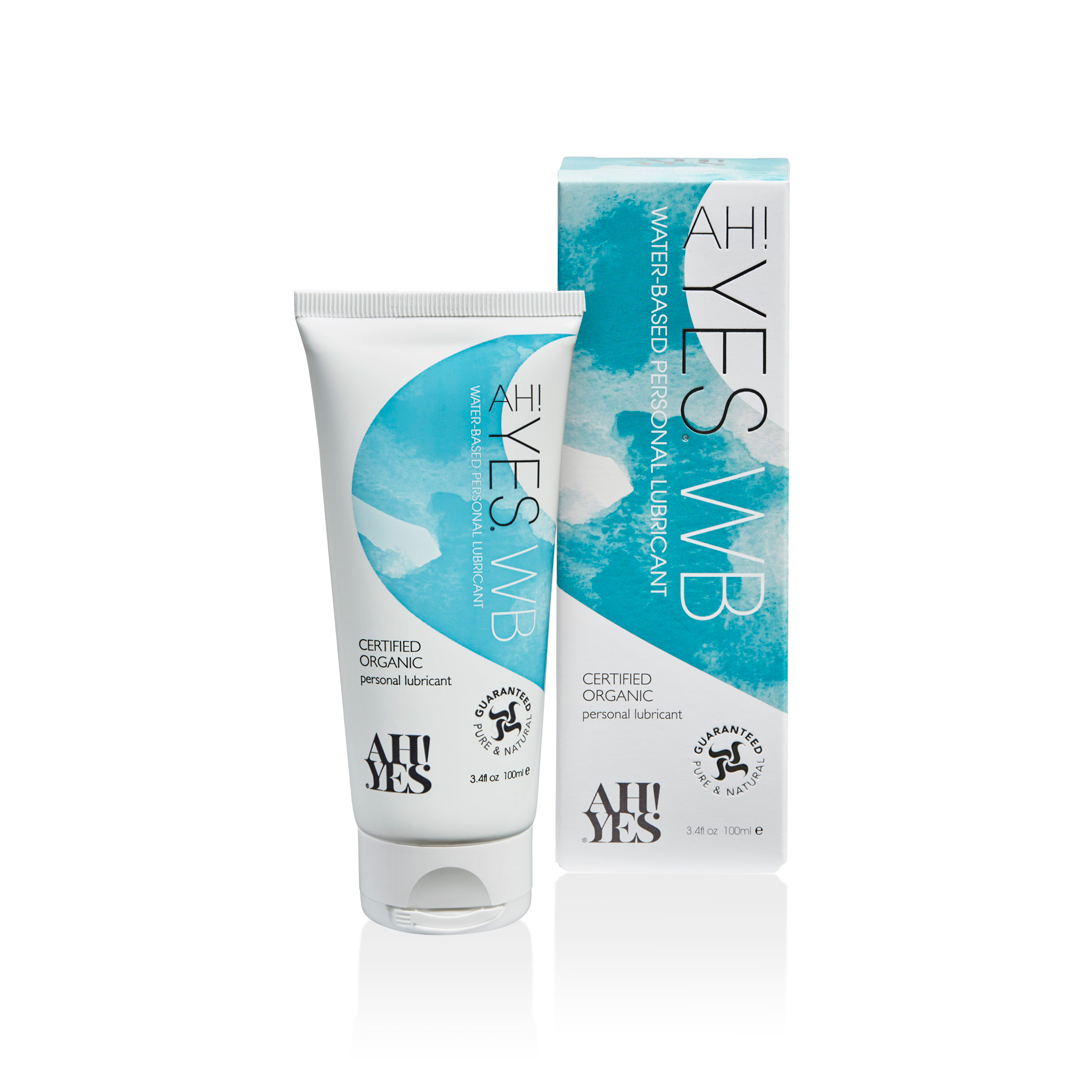 A Slippery Slope Through History: The Evolution of Lubricant
The desire for more comfortable and pleasurable intimacy is as old as humanity itself. Our ancestors, resourceful and inventive, turned to nature to enhance their experiences.
- Ancient Ingenuity: As far back as ancient Greece and Rome, people utilized olive oil to reduce friction during sexual activity. In ancient China, a slick substance derived from seaweed, known as carrageenan, served a similar purpose. These early, natural solutions laid the groundwork for a long history of seeking smoother, more enjoyable connections.
- The Dawn of Commercialization: The first commercially produced personal lubricant, KY Jelly, arrived on the scene in 1904. Interestingly, it wasn’t initially marketed for sexual enhancement but as a sterile, surgical lubricant for medical procedures. Its transition from the operating room to the bedroom was driven by consumers who discovered its personal benefits. By 1917, it was being explicitly sold for intimate use, though it remained a behind-the-counter, prescription-only item for many decades.
- Modern Formulations and Mainstream Acceptance: The 20th century saw the development of different types of lubricants, including oil-based and the now-ubiquitous water-based and silicone-based formulas. Significant cultural shifts, such as the feminist movement of the 1960s and 70s, empowered individuals to take control of their sexual health and pleasure. The AIDS crisis of the 1980s further highlighted the importance of lubricant in preventing condom breakage and reducing the risk of transmission of sexually transmitted infections. These events helped to bring personal lubricant out of the shadows and into the mainstream, where it is now recognized as a vital tool for sexual wellness.
 More Than just a “Problem-Solver”: The Consumer Benefits of Lubricant
The reasons for using personal lubricant are as diverse as the people who use them. Far from being a crutch, it is a versatile enhancer for a wide range of individuals and experiences.
- Enhanced Pleasure and Sensation: Lubricant reduces friction, which can heighten sensitivity and lead to more intense and pleasurable sensations for all partners involved. It allows for smoother, more fluid movements, making intimacy more comfortable and enjoyable.
- Increased Comfort and Reduced Pain: For many, particularly women, vaginal dryness can be a common experience due to hormonal fluctuations (related to the menstrual cycle, pregnancy, breastfeeding, or menopause), certain medications (such as antihistamines and antidepressants), stress, or simply not being fully aroused. Lubricant provides immediate and effective relief from this dryness, preventing the discomfort, chafing, and even minor tearing that can occur during sexual activity.
- Fostering Intimacy and Communication: The act of introducing and using lubricant can be a moment of connection and open communication between partners. It signals a shared desire for mutual pleasure and comfort, fostering a more relaxed and intimate atmosphere.
- Exploring New Avenues of Pleasure: Lubricants can make it more comfortable and enjoyable to explore different types of sexual expression, including manual and oral stimulation, as well as the use of sex toys.
- Making Sex Safer: By reducing friction, lubricants decrease the likelihood of condoms breaking, adding a crucial layer of protection against unintended pregnancy and STIs.
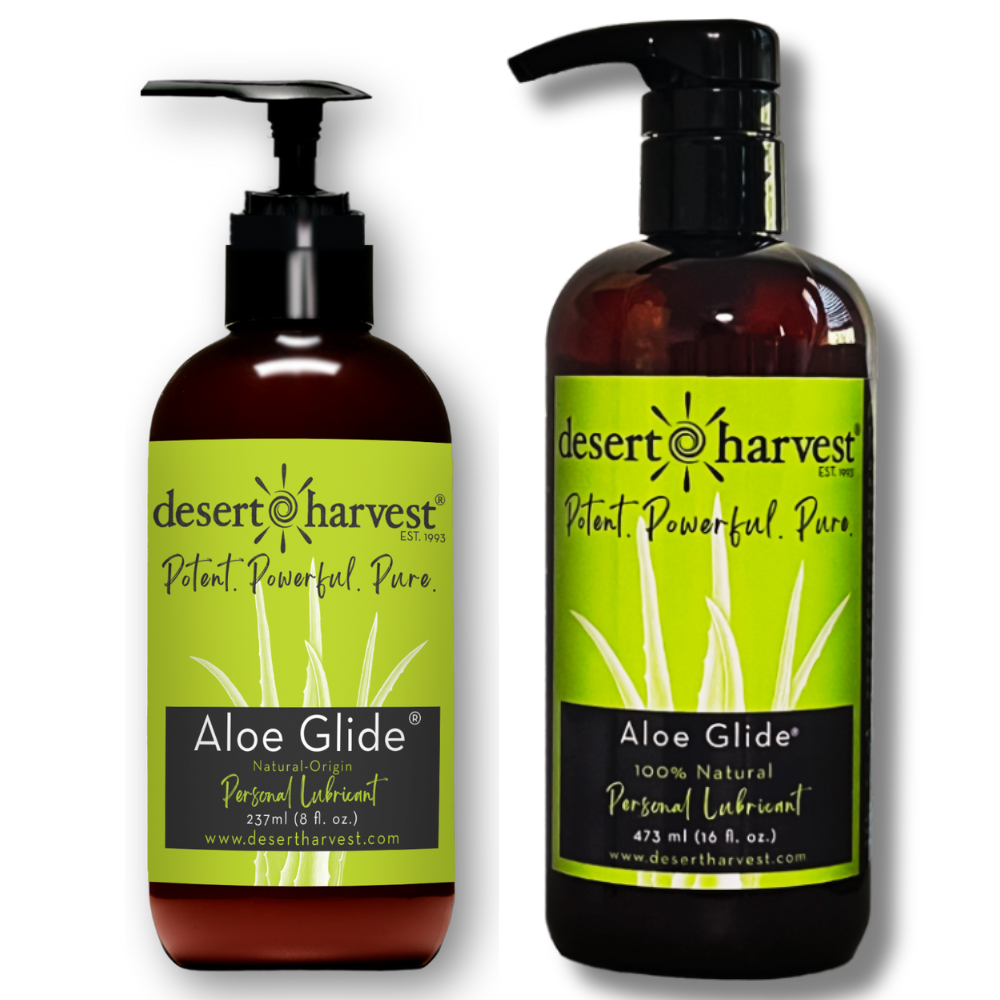 The Professional’s Prescription: Why Experts Recommend Lubricant
The endorsement of personal lubricant by medical and therapeutic professionals is rooted in a deep understanding of human anatomy, physiology, and psychology.
For the Medical Professional (Gynecologists, Women’s Health Practitioners):
Clinically, lubricants are indispensable. They are used to ease the insertion of speculums during pelvic exams, for ultrasound probes, and in various other medical procedures.
Beyond the clinic, healthcare providers recommend personal lubricants to their patients for a multitude of reasons:
- Combating Vaginal Dryness: As mentioned, this is a primary reason. Medical professionals often recommend lubricants as a first-line approach for managing the symptoms of atrophic vaginitis (thinning, drying, and inflammation of the vaginal walls), a common condition during and after menopause.
- Protecting Delicate Tissues: The vaginal and anal tissues are delicate. Lubricant acts as a protective barrier, preventing the microscopic tears that can occur from friction. These tiny tears can be a gateway for bacteria and viruses, so using a lubricant can help maintain tissue integrity and reduce the risk of infection.
- Postpartum and Medical Recovery: After childbirth or certain medical treatments, the body may need time to heal and for natural lubrication to return to normal. Lubricants can be essential for a comfortable return to sexual intimacy.
- Choosing Wisely: Medical professionals often advise on the type of lubricant to use. For example, they may recommend water-based, pH-balanced formulas to maintain a healthy vaginal environment and avoid irritation. They also caution against using products with ingredients like glycerin (which can contribute to yeast infections) or petroleum jelly (which can damage latex condoms and trap bacteria).
For the Sex Therapist:
Sex therapists view personal lubricant as a powerful tool for enhancing sexual satisfaction and addressing common sexual concerns.
- Reducing Anxiety and Performance Pressure: The worry about not being “wet enough” can be a significant source of anxiety for many women. The ready availability of lubricant can alleviate this pressure, allowing individuals to relax and focus on pleasure.
- Facilitating Pleasurable Sex: For individuals and couples experiencing painful intercourse (dyspareunia), lubricant is often a key component of the therapeutic strategy. By making penetration more comfortable, it can help to break the cycle of pain and anxiety associated with sex.
- Enhancing Solo and Partnered Exploration: Therapists encourage the use of lubricants to make self-exploration and partnered activities more enjoyable and to expand the repertoire of sexual experiences.
 The Bottom Line: A Simple Step for Better Well-being
Personal and clinical lubricants have come a long way from their ancient origins.
Today, they are sophisticated, body-safe products that offer a multitude of benefits for individuals of all ages, genders, and relationship statuses.
By understanding their history and the reasons behind their widespread professional recommendation, we can shed the outdated stigma and embrace them for what they are: a simple, effective, and often essential tool for enhancing comfort, pleasure, and overall well-being.
Whether you are a therapist guiding a client, or an individual seeking to enrich your own life, a little bit of lubricant can make a world of difference.