

Pessaries – A Partner in Pelvic Floor Rehabilitation
Store / Binders & Supports / Pessaries
 For decades, the pessary has been a quiet workhorse in women’s health, primarily viewed as a passive support structure for pelvic organ prolapse (POP). To many patients, it’s seen as a last resort before surgery or a permanent “crutch.” For some clinicians, it’s a tool for symptom management, separate from active rehabilitation.
This perspective is fundamentally incomplete and, frankly, outdated.
It’s time to reframe the conversation. A properly fitted pessary is not merely a passive prop; it is one of the most powerful catalysts for effective pelvic floor muscle rehabilitation. It is an active partner that creates an optimal environment for muscles to regain strength, coordination, and function.
This blog article will deconstruct the intricate relationship between pessaries and pelvic muscle health, providing a comprehensive guide for both patients seeking answers and physical therapists aiming to elevate their practice.
The Foundation: Understanding Pelvic Floor Dysfunction
 Before we can appreciate the pessary’s role, we must understand the system it supports. The pelvic floor is a sophisticated hammock of muscles, ligaments, and fascia stretching from the pubic bone to the tailbone. Its functions are critical:
- Supportive: It holds the pelvic organs (bladder, uterus, rectum) in their correct anatomical position against gravity and intra-abdominal pressure.
- Sphincteric: It controls the opening and closing of the urethra and anus, ensuring continence.
- Sexual: It contributes to arousal and orgasm.
- Stability: It works in concert with the deep abdominals, back muscles, and diaphragm to stabilize the spine and pelvis.
Pelvic floor dysfunction occurs when this system is compromised. The most common manifestations are Pelvic Organ Prolapse (POP), where one or more organs descend into the vaginal canal, and Stress Urinary Incontinence (SUI), the involuntary leakage of urine with exertion (e.g., coughing, sneezing, running).
When an organ prolapses, the pelvic floor muscles are put at a profound mechanical disadvantage. They become over-stretched, fatigued, and unable to generate an effective contraction.
It’s a vicious cycle: the weak muscles allow the prolapse to worsen, and the worsening prolapse further weakens the muscles. Patients often experience a sensation of heaviness, bulging, or pressure, and they may begin to consciously or unconsciously avoid activities that exacerbate these symptoms, leading to deconditioning and a diminished quality of life.
Dismantling a Myth: The Pessary as a “Crutch”
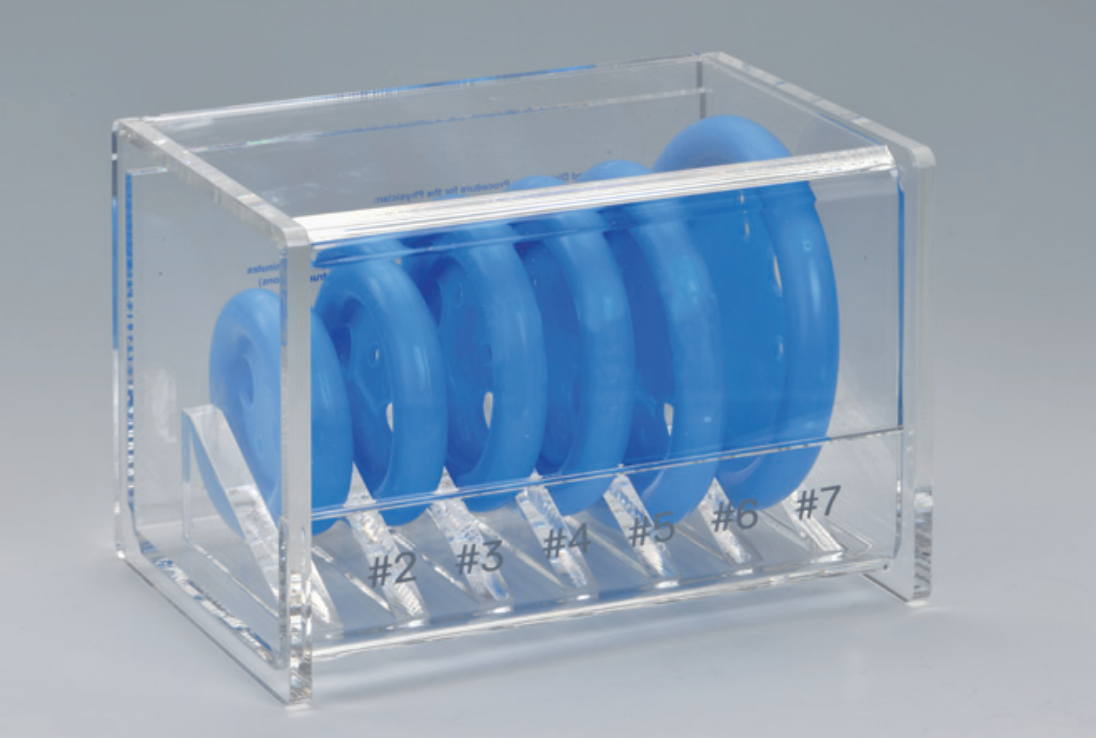 The most pervasive misconception is that using a pessary will make the pelvic floor muscles “lazy.” The logic seems simple: if something else is doing the supporting, the muscles won’t have to work. This could not be further from the truth.
Think of it this way: if you dislocate your shoulder, a medical professional will first reduce the dislocation (put it back in place) and likely immobilize it temporarily. This doesn’t make the rotator cuff muscles lazy.
On the contrary, it creates the necessary anatomical alignment and pain-free environment for those muscles to begin healing and strengthening through targeted physical therapy. Without repositioning the joint, effective rehabilitation is impossible.
A pessary functions in precisely the same way for the pelvic floor. It is a tool for anatomical realignment, and this realignment is the prerequisite for effective rehabilitation.
The Core Mechanisms: How a Pessary Actively Facilitates Rehabilitation
A pessary’s therapeutic power stems from four interconnected biomechanical and neuromuscular principles. Understanding these is crucial for both clinicians designing treatment plans and patients adhering to them.
1. Restoring the Optimal Length-Tension Relationship
 This is the most critical biomechanical principle at play. A muscle generates its maximum force from an optimal resting length. If a muscle is either over-shortened or, in the case of POP, over-lengthened, its ability to contract forcefully is significantly diminished.
Imagine trying to do a bicep curl starting with your arm completely straight and hanging down—the initial lift is the hardest part. Now, imagine trying to do it if your elbow were hyperextended; the muscle would be too long to work effectively.
The pelvic floor muscles supporting a prolapsed bladder or uterus are in this constantly over-stretched, mechanically disadvantaged state. They are perpetually working overtime just to provide minimal support, leading to fatigue and weakness.
The Pessary’s Role: A pessary lifts and supports the prolapsed organ(s), returning the pelvic floor muscles to their normal anatomical resting position.
By reducing the excessive stretch, it restores the optimal length-tension relationship. For the first time, perhaps in years, the muscle is in a position where it can generate a powerful, effective contraction. This single change transforms a futile exercise into a productive one.
For the PT: This means your cues for a “Kegel” or pelvic floor contraction will finally land. The patient can achieve a true muscle shortening contraction rather than a weak, isometric squeeze against an immovable, descended organ.
For the Patient: You will likely feel a stronger, more definite muscle contraction with the pessary in place. The exercise will feel more “correct” because your muscles are finally positioned to work properly.
2. Enhancing Proprioception and Neuromuscular Re-education
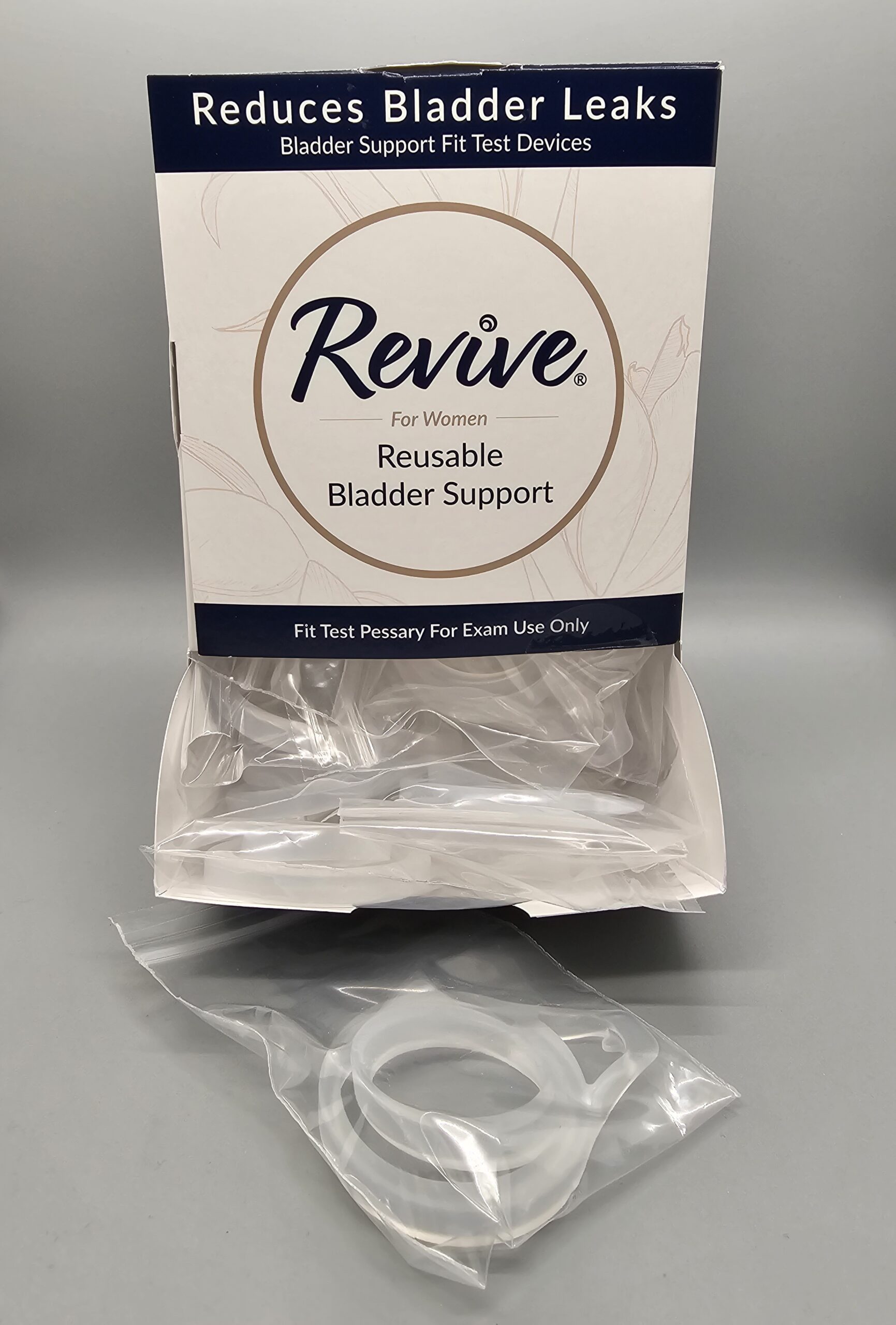 Proprioception is the body’s sense of its position and movement in space. For effective muscle activation, the brain needs clear feedback from the muscle and its surrounding tissues.
In cases of prolapse or significant laxity, this sensory feedback is often dull and imprecise. Many patients struggle to even “find” or feel their pelvic floor muscles, making exercises frustrating and ineffective.
The Pessary’s Role: The pessary provides a firm, stable surface for the pelvic floor and vaginal walls. When the patient contracts their pelvic floor, the muscles press against the pessary, creating clear and tangible sensory feedback.
This tactile cue travels to the brain, enhancing the mind-body connection. The pessary essentially gives the brain a target to “squeeze against” or “lift up from.”
This process is a cornerstone of neuromuscular re-education. The brain re-learns how to activate the correct muscles with the correct timing and force. The pessary acts as a training aid, much like a mirror provides visual feedback for correcting form during a squat.
For the PT: Use the pessary as a feedback tool. Cue your patient to “squeeze and lift the pessary” or “feel your muscles gently hug the pessary.” This external focus of attention is often more effective than abstract internal cues.
For the Patient: The pessary helps you feel exactly what you’re supposed to be doing. It takes the guesswork out of pelvic floor exercises and builds your confidence that you are performing them correctly.
3. Offloading Fatigued Muscles to Allow for Quality Contractions
 The pelvic floor muscles are endurance muscles, but they are not designed to fight gravity and intra-abdominal pressure 24/7 without adequate support from the surrounding fascia and ligaments.
With POP, these muscles are in a constant state of low-level, isometric contraction simply to prevent symptoms from worsening. They are overworked and exhausted.
Asking a fatigued muscle to engage in a strengthening program is counterproductive. It’s like asking someone to run sprints after they’ve already run a marathon. The quality of the contraction will be poor, and the risk of accessory muscle recruitment (using glutes, adductors, or abs instead) is high.
The Pessary’s Role: The pessary takes over the bulk of the passive supportive role, effectively giving the overworked muscles a break. This offloading allows the muscles to rest and recover.
When it’s time to perform therapeutic exercises, the muscles are no longer fatigued from their constant supportive duties. They can execute a full, strong, quality contraction, leading to true strength and endurance gains.
For the PT: Recognize that without a pessary, your patient’s muscles may be too tired to benefit from your program. The pessary allows for a rehabilitation session focused on quality over quantity.
For the Patient: The feeling of relief from the pessary isn’t a sign of weakness; it’s a sign that your muscles are finally getting the rest they need to recover and respond to exercise.
4. Breaking the Symptom-Avoidance Cycle and Enabling High-Impact Activity
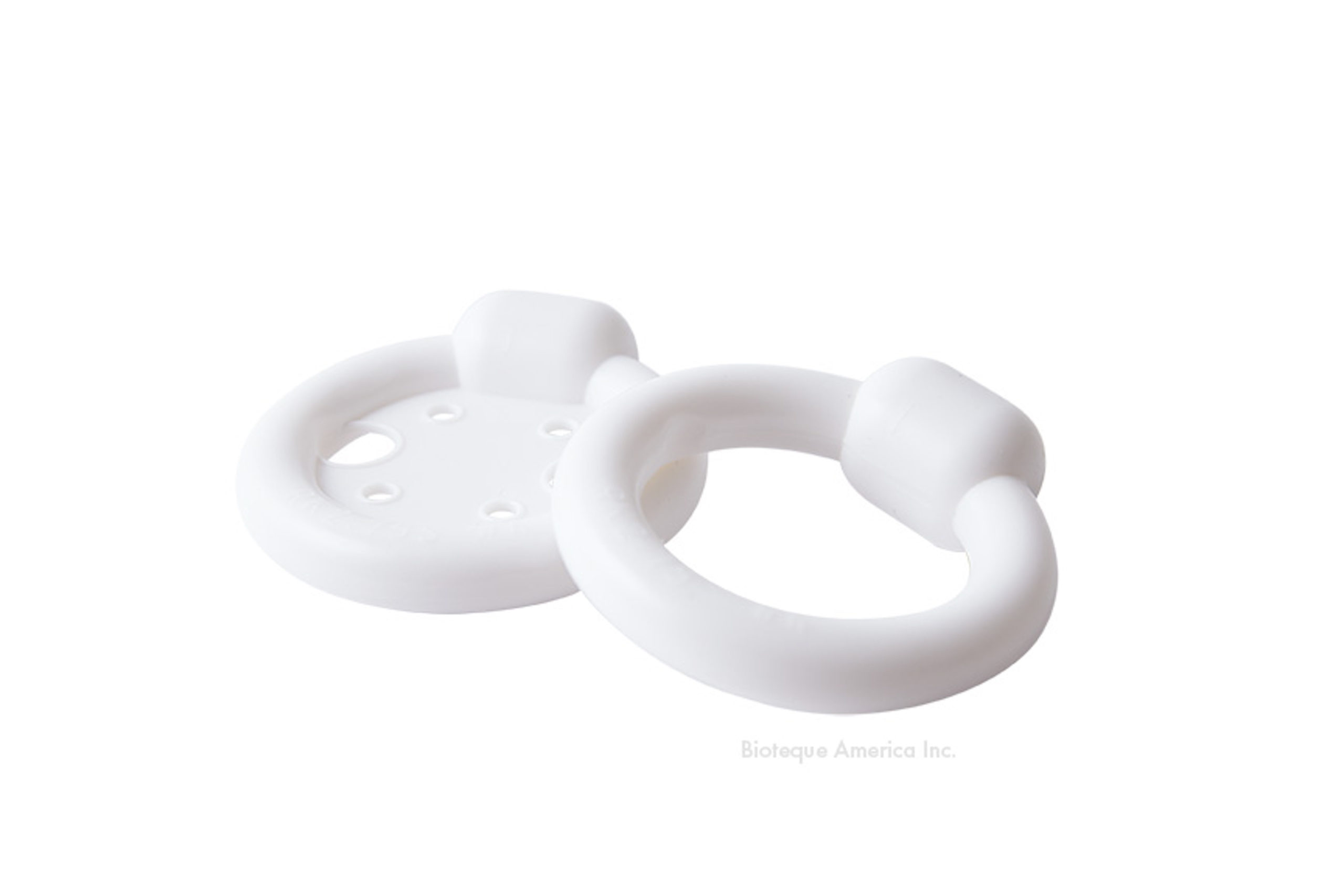 Perhaps the most life-changing benefit of a pessary is its ability to immediately reduce or eliminate symptoms like leakage and bulging. This has a profound psychological and physical impact.
Fear of leakage or worsening a prolapse is a primary reason why women stop exercising. They avoid running, jumping, lifting, and other activities crucial for bone density, cardiovascular health, and mental well-being.
This creates another vicious cycle: fear leads to avoidance, avoidance leads to physical deconditioning, and deconditioning further weakens the entire core system, including the pelvic floor.
The Pessary’s Role: By providing support and controlling symptoms during high-impact activities, the pessary acts as a “permission slip” to move again. It gives a woman the confidence to run, jump, and lift without fear. This is not just about symptom management; it is about rehabilitation in motion.
Running with a pessary isn’t “cheating.” It’s an opportunity to re-train the pelvic floor to work under load—to automatically co-contract and support the organs in response to the increased intra-abdominal pressure of running. The pessary provides the necessary back-up, allowing the muscles to practice their reflexive, functional role in a real-world scenario.
For the PT: A pessary can be the key that unlocks your patient’s ability to participate in a comprehensive, functional, and sport-specific rehabilitation program. Your exercises can move beyond the treatment table and into the activities your patient loves.
For the Patient: The pessary can give you your life back. It allows you to confidently re-engage with fitness, knowing you are supported while your pelvic floor gets stronger through the very activities you once avoided.
The Collaborative Model: Patient, PT, and Prescriber
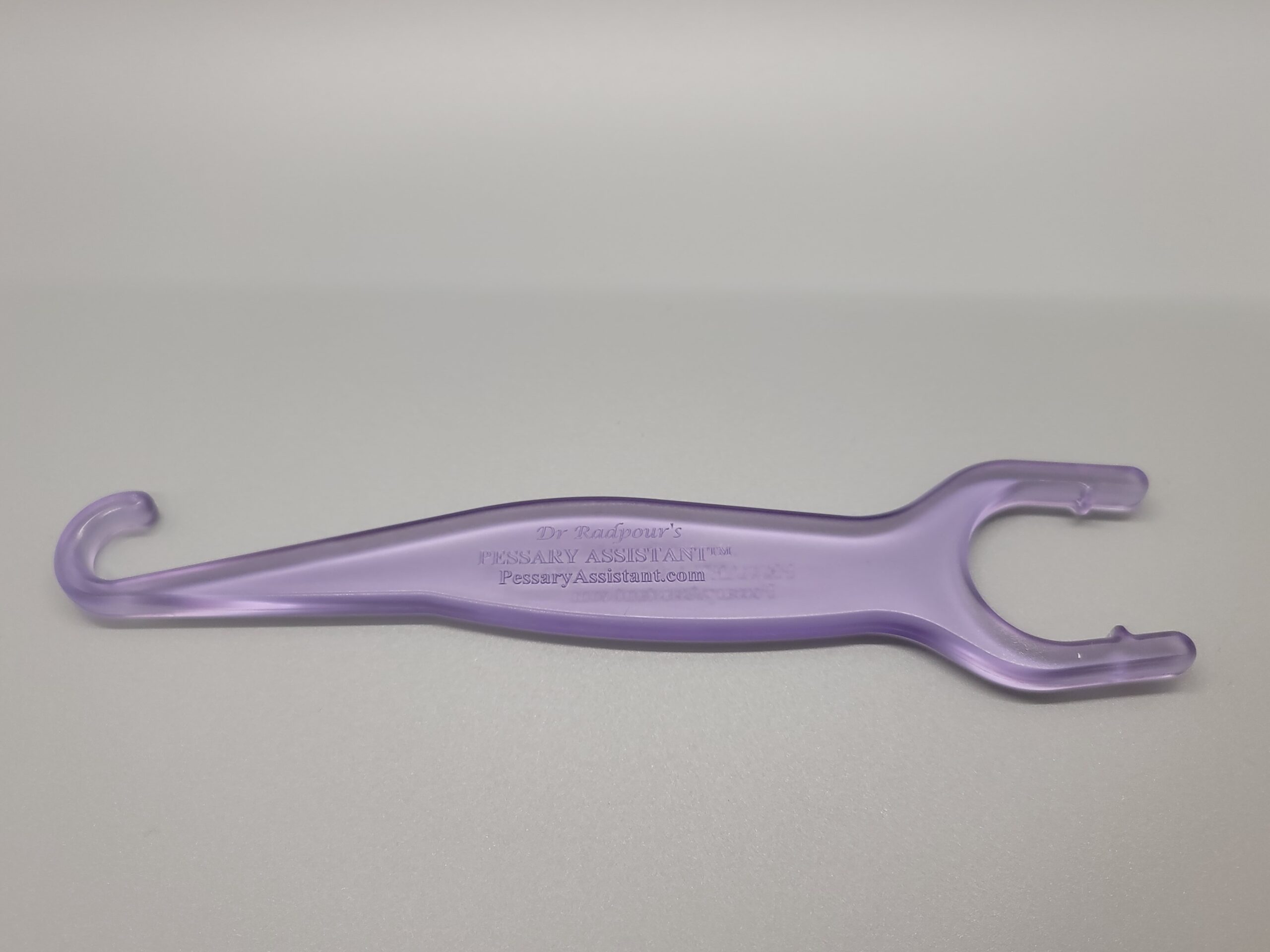 A pessary is not a standalone solution. Maximum benefit is achieved through a collaborative approach between the patient, the pelvic health physical therapist, and the medical provider who fits the pessary (such as a urogynecologist, gynecologist, or specially trained nurse practitioner or PT).
- The Fitting: The provider’s role is to perform a thorough assessment and fit the correct type and size of pessary. This is not a one-size-fits-all process. An ill-fitting pessary can be ineffective or uncomfortable.
- The Rehabilitation: The PT’s role is to design a personalized exercise program that leverages the benefits of the pessary. This includes foundational strengthening, coordination exercises, breathwork integration, and a gradual return to functional, high-impact activities with the pessary in place. The PT also educates the patient on pessary care and recognizing signs of a poor fit.
- The Patient’s Role: The patient’s role is to be an active participant—to consistently perform their exercises, care for their pessary as instructed, and provide feedback to their healthcare team. Many patients can be taught to remove, clean, and re-insert their pessary themselves, giving them incredible autonomy.
A New Paradigm for Pelvic Health
It is time to elevate the pessary from a simple support device to its rightful place as a sophisticated rehabilitation tool.
For physical therapists, it is a vital adjunct to care that can dramatically accelerate patient progress and improve outcomes. For patients, it is an empowering ally that can eliminate symptoms, restore confidence, and create the ideal conditions for reclaiming muscular strength and function.
The correct viewpoint is not “pessary or physical therapy.” The most effective, modern, and evidence-based approach is “pessary for physical therapy.”
By restoring anatomy, enhancing feedback, reducing fatigue, and enabling activity, the pessary doesn’t just hold things up—it lifts patients up, allowing them to become active agents in their own recovery and return to the lives they love.